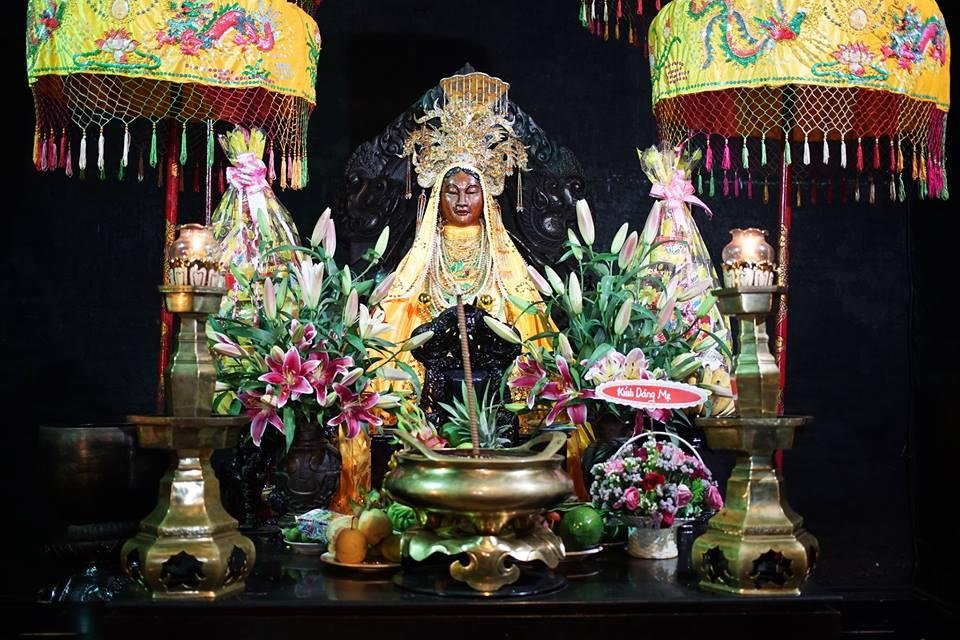
The Vietnamese language is a fascinating linguistic tapestry woven with rich history and cultural significance. One of its most distinctive features is its tonal system, which plays a crucial role in communication. Unlike many languages that rely primarily on consonants and vowels to convey meaning, Vietnamese employs tones to differentiate words that may otherwise appear identical in their phonetic structure.
This tonal aspect can be especially challenging for learners—particularly those whose native languages do not utilize tones. Understanding the intricacies of the Vietnamese tonal system is essential for effective communication and comprehension.
The Basics of Vietnamese Tones
Vietnamese is classified as a tonal language, which means that the pitch or intonation used when pronouncing a word can alter its meaning entirely. This feature is not unique to Vietnamese—languages such as Mandarin Chinese and Thai also employ tones—but Vietnamese is particularly rich in tonal variation.
Tones in the Northern Dialect
The Northern dialect (e.g., Hanoi Vietnamese) has six distinct tones, each marked by specific diacritical marks:
| Tone Name | Diacritic | Example | Meaning | Pitch Description |
|---|---|---|---|---|
| Ngang (Unmarked) | (no mark) | ma | ghost | mid-level, steady |
| Huyền (grave accent) | ` | mà | but | low-falling |
| Sắc (Acute accent) | ´ | má | mother | high-rising |
| Hỏi (Hook above) | ? | mả | grave | mid-falling-rising (broken) |
| Ngã (Tilde) |
~ |
mã | code | glottalized rising |
| Nặng (Underdot) | . | mạ | rice seedling | low with abrupt stop |
Southern Dialect Simplification
In the Southern dialect, some tones are merged, resulting in five distinct tones. For example, hỏi and ngã often sound nearly identical to southern speakers.
How Tones Change the Meaning of Words
The importance of tone in Vietnamese cannot be overstated. A single syllable can represent multiple meanings, depending on the tone:
“ba”
ba (ngang) – three
bà (huyền) – grandmother
bá (sắc) – aunt
bả (hỏi) – poison
bã (ngã) – pulp
bạ (nặng) – random
In sentences, incorrect tonal use can lead to confusion. Saying “Tôi đi chợ” (I go to the market) with incorrect tones could be misunderstood or nonsensical.
Common Mispronunciations and How to Avoid Them
Many learners struggle with confusing similar tones, such as:
-
má (mother) vs. mà (but)
-
mã (code) vs. mả (grave)
To avoid these mistakes:
-
Listen to native speakers regularly (via YouTube, podcasts, etc.).
-
Use tone drills and minimal pair practice (e.g., má vs. mà).
-
Record yourself and compare with native pronunciation.
-
Practice using apps or resources with audio feedback.
-
Engage in language exchanges for real-time correction.
Tips for Mastering Vietnamese Tones
1. Immerse Yourself
Surround yourself with authentic Vietnamese:
-
Watch movies, listen to music, or tune in to Vietnamese YouTubers.
-
Pay attention to how the same word shifts tone in different contexts.
2. Use Mnemonics and Visualization
Associate pitch patterns with shapes:
-
Rising tone → ↗ (like climbing a hill)
-
Falling tone → ↘ (like sliding down)
-
Broken tone → 〰 (wavy or interrupted)
3. Use Flashcards with Tone Markings
Create or download flashcards that display:
-
The word
-
The tone mark
-
An image or English meaning
-
Audio pronunciation
The Importance of Tones in Vietnamese Culture
Tones are not just a grammatical detail—they carry social and emotional weight.
-
Correct tone use demonstrates respect and cultural sensitivity.
-
Mispronunciations can cause misunderstandings, or worse, be perceived as disrespect.
-
Tone can also change emotional meaning:
-
A soft tone = politeness or intimacy
-
A sharp tone = urgency, frustration, or warning
-
In this way, tone is tied not only to meaning but to emotion and social context—a reflection of Vietnamese communication culture.
Comparisons with Other Tonal Languages
| Language | Number of Tones | Additional Features |
|---|---|---|
| Vietnamese | 6 (North), 5 (South) | Glottalization, abrupt stops in some tones |
| Mandarin | 4 + neutral | Pitch contour changes only |
| Thai | 5 | Also uses vowel length to affect meaning |
Vietnamese tones are among the most diverse and dynamic, especially in terms of vocal delivery.
Resources for Practicing Vietnamese Tones
✅ Apps
-
Duolingo – beginner-friendly, good for vocabulary + tones
-
Pimsleur – audio-based practice
-
Rosetta Stone – structured lessons
🤝 Language Exchange Platforms
-
Tandem, HelloTalk, or Speaky to chat with native speakers
🎧 Other Tools
-
Use Forvo.com to hear how words are pronounced by native speakers
-
Install Vietnamese keyboards to get used to typing with tone marks

Conclusion
Mastering the Vietnamese tonal system is essential to speaking the language fluently and respectfully. Through immersive listening, active pronunciation practice, and cultural awareness, learners can build a strong foundation for both accurate communication and deeper engagement with Vietnamese people.
Understanding tones is not just an academic hurdle—it’s a gateway to connection.
🌺 Want to Explore More?
If you are about to travel to Vietnam soon, check out the 10 Vietnamese phrases that traveler should know.