Sơn Đoòng Cave: A Natural Wonder of Vietnam
Sơn Đoòng Cave, located in Phong Nha-Kẻ Bàng National Park in Vietnam, is not only one of the largest caves in the world but also a remarkable natural wonder that has captivated explorers and scientists alike. Discovered relatively recently, this cave has gained international attention for its immense size, unique geological features, and rich biodiversity. The cave stretches over 5.5 miles (approximately 9 kilometers) in length and reaches heights of up to 650 feet (approximately 200 meters), making it a colossal underground landscape that challenges our understanding of cave systems.
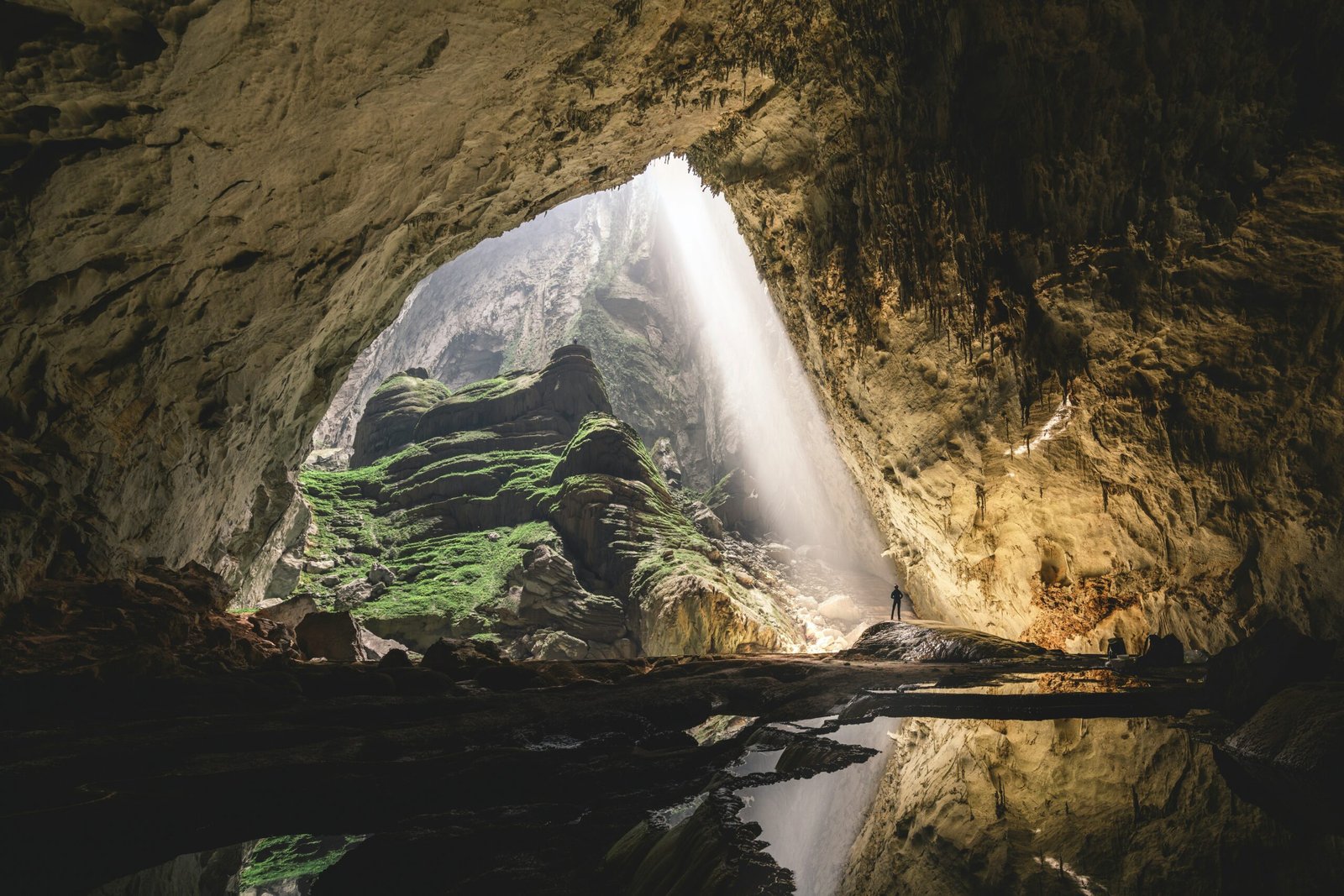
Its sheer scale and the breathtaking beauty of its interior have led many to regard Sơn Đoòng as a natural masterpiece. The cave’s formation is believed to date back millions of years, shaped by the relentless forces of nature, including water erosion and tectonic activity. The entrance to Sơn Đoòng is a dramatic sight, framed by towering cliffs and lush vegetation, which gives way to an expansive cavern filled with stunning stalactites and stalagmites.
The cave’s environment is so unique that it has been likened to a subterranean jungle, complete with its own weather system. This extraordinary setting not only serves as a testament to the power of geological processes but also highlights the intricate relationship between the earth’s surface and its subterranean ecosystems.
Discovery and Exploration of Sơn Đoòng Cave
Unveiling the Cave’s Secrets
Although locals had known about Sơn Đoòng for years, the cave was officially discovered in 1991 by a local man named Hồ Khanh while he was searching for agarwood. However, it remained unexplored until 2009 when a British-Vietnamese expedition, led by the British Cave Research Association and explorer Howard Limbert, conducted the first extensive exploration. This expedition revealed the cave’s staggering dimensions and its potential for scientific research and tourism. The team’s findings were published in various media outlets, sparking interest from adventurers and researchers worldwide. The exploration of Sơn Đoòng has since evolved into a significant scientific endeavor.
A Treasure Trove of Geological Formations and Ecosystems
Researchers have been drawn to the cave not only for its size but also for its unique geological formations and ecosystems. Subsequent expeditions have uncovered various chambers within the cave, each with distinct features such as underground rivers, vast open spaces, and even a rainforest-like environment.
A Focal Point for Geologists and Biologists
These explorations have provided valuable insights into karst geology and the evolution of cave systems, making Sơn Đoòng a focal point for geologists and biologists alike.
Physical Characteristics of Sơn Đoòng Cave
Sơn Đoòng Cave is characterized by its immense scale and striking geological features. The cave’s main chamber is so large that it could accommodate an entire New York City block, with room to spare. The ceiling reaches heights that allow for the growth of trees, some of which are over 30 meters tall, creating a surreal landscape reminiscent of a forest rather than a traditional cave environment.
The walls are adorned with intricate formations of stalactites and stalagmites, some of which are believed to be thousands of years old. One of the most fascinating aspects of Sơn Đoòng is its unique weather system. The cave has its own microclimate, with humidity levels often exceeding 90%.
This high humidity contributes to the lush vegetation found within the cave, including ferns and mosses that thrive in the dim light. Additionally, the cave features an underground river that flows through its depths, further enhancing its ecological diversity. The interplay between water, rock, and biological life creates a dynamic environment that continues to evolve over time.
Flora and Fauna within Sơn Đoòng Cave
The biodiversity within Sơn Đoòng Cave is as remarkable as its physical characteristics. The cave is home to a variety of plant species that have adapted to the unique conditions found within its chambers. These include ferns, mosses, and even small trees that have taken root in the nutrient-rich soil formed from centuries of organic matter accumulation.
The presence of these plants not only adds to the cave’s aesthetic appeal but also plays a crucial role in maintaining its delicate ecosystem. In addition to flora, Sơn Đoòng is inhabited by various animal species that have adapted to life in this subterranean environment. Researchers have documented several species of bats that roost within the cave, taking advantage of its vast spaces for breeding and feeding.
These bats play an essential role in pollination and seed dispersal within the cave’s ecosystem. Furthermore, scientists have discovered unique insect species that thrive in the dark, humid conditions of Sơn Đoòng, showcasing the cave’s role as a refuge for specialized wildlife.
New discoveries are continually made, and biologists believe that many of the species found here may be endemic to the cave, having evolved in isolation from the outside world. This makes Sơn Đoòng a living laboratory for studying evolutionary processes in extreme environments.
Tourism and Visiting Sơn Đoòng Cave
Sơn Đoòng Cave has become a sought-after destination for adventurous travelers seeking to experience one of nature’s most awe-inspiring creations. Guided tours are available, allowing visitors to explore the cave’s vast chambers while learning about its geological history and ecological significance. These tours are typically organized by local companies that prioritize safety and environmental conservation, ensuring that visitors can enjoy the cave without causing harm to its delicate ecosystem.
The experience of visiting Sơn Đoòng is unlike any other; adventurers traverse through lush jungles, cross rivers, and navigate rocky terrain as they make their way deeper into the cave. The journey often includes camping within the cave itself, providing an unparalleled opportunity to witness its beauty under the stars. However, due to the fragile nature of this environment and the need for sustainable tourism practices, access to Sơn Đoòng is limited.
Only a select number of visitors are allowed each year, ensuring that the cave remains protected while still allowing people to marvel at its grandeur.
Tourism and Visiting Sơn Đoòng Cave
Sơn Đoòng Cave has become a sought-after destination for adventurous travelers seeking to experience one of nature’s most awe-inspiring creations. Guided tours are available, allowing visitors to explore the cave’s vast chambers while learning about its geological history and ecological significance. These tours are typically organized by local companies that prioritize safety and environmental conservation, ensuring that visitors can enjoy the cave without causing harm to its delicate ecosystem.
Currently, only one tour company—Oxalis Adventure—is authorized to operate expeditions into the cave, and each group is limited in size to reduce environmental impact. Tour packages often span four to five days, requiring permits, physical fitness assessments, and prior training.
The experience of visiting Sơn Đoòng is unlike any other; adventurers traverse through lush jungles, cross rivers, and navigate rocky terrain as they make their way deeper into the cave. The journey often includes camping within the cave itself, providing an unparalleled opportunity to witness its beauty under the stars. However, due to the fragile nature of this environment and the need for sustainable tourism practices, access to Sơn Đoòng is limited. Only a select number of visitors are allowed each year, ensuring that the cave remains protected while still allowing people to marvel at its grandeur.
Conservation Efforts for Sơn Đoòng Cave
Protecting a Natural Wonder
Local authorities and environmental organizations have recognized the need to protect Sơn Đoòng Cave from potential threats posed by tourism and climate change. Initiatives have been implemented to monitor visitor impact on the cave’s ecosystem while promoting sustainable practices among tour operators.
Education and Responsible Behavior
One key aspect of conservation involves educating visitors about the importance of preserving the cave’s delicate environment. Tour guides play a crucial role in this process by sharing information about the cave’s geology, flora, and fauna while emphasizing responsible behavior during visits.
Research and Understanding
Additionally, ongoing research efforts aim to better understand the cave’s ecosystems and how they may be affected by external factors such as pollution or climate change.
Phong Nha-Kẻ Bàng National Park, where Sơn Đoòng is located, is a UNESCO World Heritage Site, and the Vietnamese government has taken steps to preserve the park’s natural and cultural values. There have been controversies in the past, such as proposals to build a cable car to the cave, which were met with strong opposition from environmentalists and local communities. Thanks to public pressure, such projects have been postponed or rejected to prioritize conservation.
Challenges and Dangers of Sơn Đoòng Cave
While Sơn Đoòng Cave is a breathtaking destination, it also presents challenges and dangers for those who venture into its depths. The cave’s vastness can be disorienting, with numerous chambers and passages that can easily lead explorers astray if they are not adequately prepared or guided. The rugged terrain requires physical fitness and proper equipment to navigate safely.
Moreover, the high humidity levels within the cave can pose health risks for some individuals, particularly those with respiratory issues or other medical conditions. Additionally, sudden changes in weather can lead to flooding in certain areas of the cave, making it essential for visitors to heed safety warnings and follow guidelines set by experienced tour operators. Awareness of these challenges is crucial for ensuring a safe and enjoyable experience while exploring this natural wonder.
Future of Sơn Đoòng Cave
The future of Sơn Đoòng Cave hinges on a delicate balance between tourism development and conservation efforts. As interest in this remarkable site continues to grow, it is imperative that stakeholders prioritize sustainable practices that protect its unique ecosystems while allowing people to experience its beauty. Ongoing research will play a vital role in understanding how best to manage visitor impact while preserving the cave’s natural integrity.
Furthermore, there is potential for Sơn Đoòng to serve as a model for other natural sites around the world facing similar challenges. By demonstrating how responsible tourism can coexist with conservation efforts, Sơn Đoòng may inspire global initiatives aimed at protecting fragile ecosystems while promoting environmental awareness among travelers. As we look toward the future, it is clear that Sơn Đoòng Cave will remain an important symbol of nature’s grandeur and resilience—a testament to both our planet’s history and our responsibility to safeguard it for generations to come.