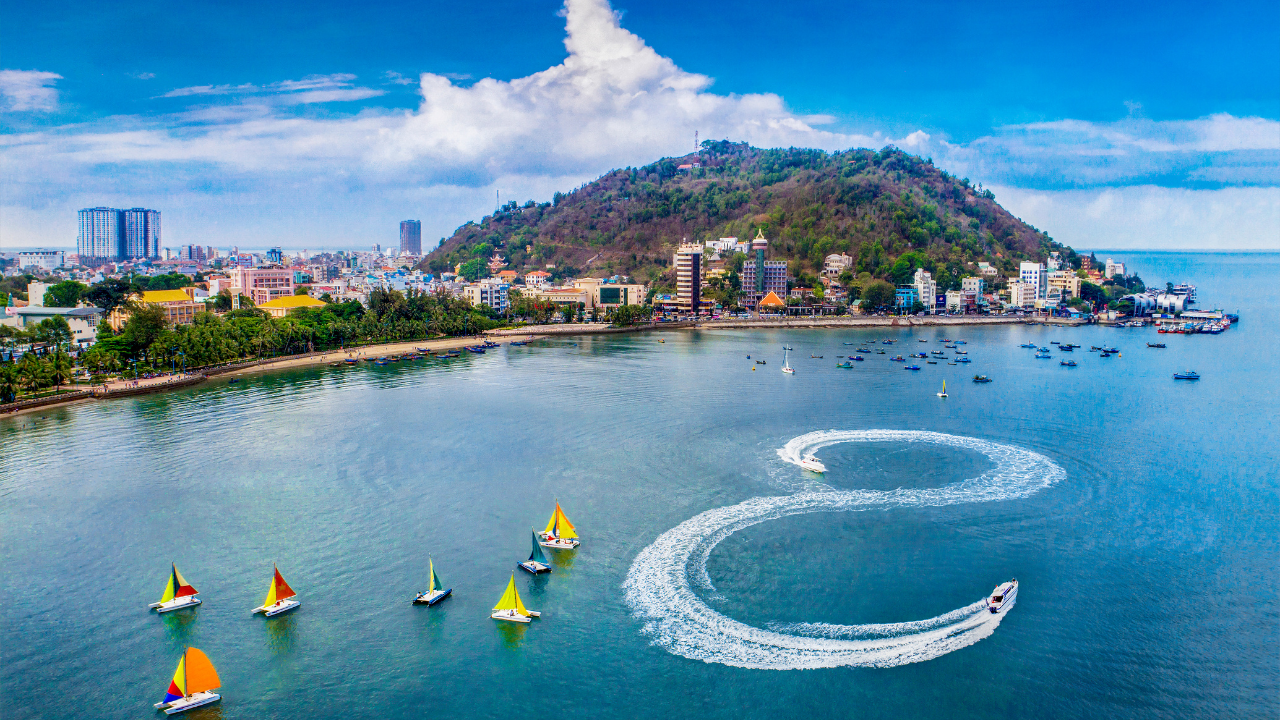
Vietnamese cuisine reflects the country’s rich cultural diversity in a striking way. Vietnam’s culinary scene is a tapestry made from the histories, geography, and diverse ethnic groups that call the country home. The distinctive ingredients, cooking methods, and traditional dishes of each region—Northern, Central, & Southern—tell the tale of their respective people. A sophisticated and well-balanced gastronomic experience is produced by the interaction of flavors, textures, & scents. Vietnamese cuisine is unique because of its regional variations, which are impacted by historical trade routes, agriculture, and climate.
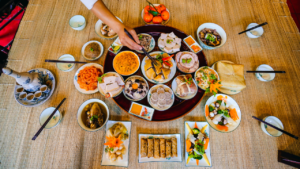
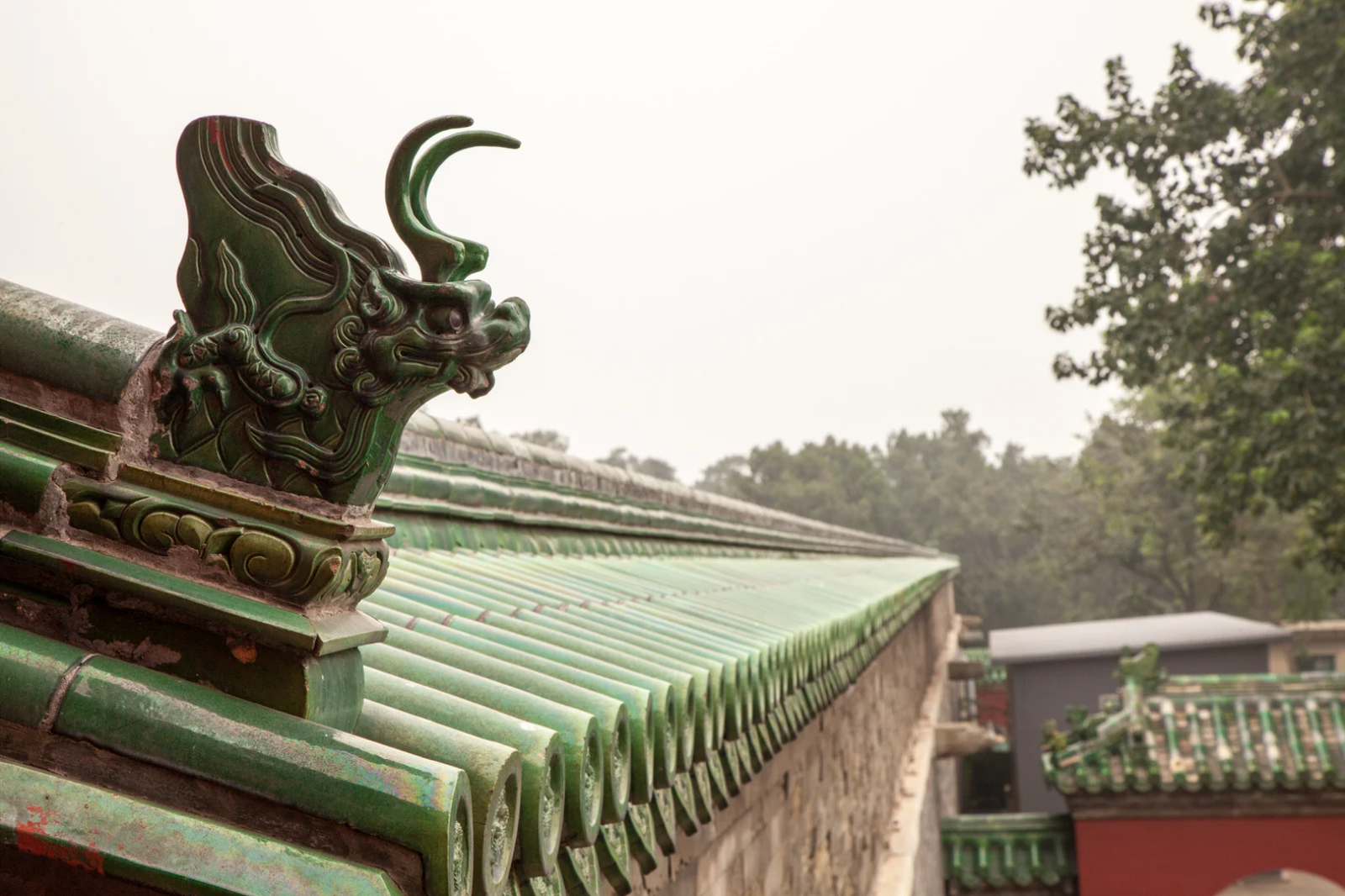
For example, compared to the tropical South, the North’s milder climate encourages the growth of various herbs and vegetables. Also, Vietnam’s culinary customs have been permanently impacted by its historical contacts with neighboring nations like China, France, and Cambodia. This article explores the regional cuisine & customs, emphasizing their contributions to the diverse fabric of Vietnamese culture. The temperate climate and fertile plains of northern Vietnam have influenced its customs & traditions for centuries.
With rice farming at the heart of their cultural identity, the people of this area frequently celebrate festivals that represent their agrarian way of life. Tet Nguyen Dan, or the Lunar New Year, which ushers in spring, is one of the most important holidays. To honor their ancestors, families perform a number of rituals during this time, such as making special dishes like banh chung (square sticky rice cake) and presenting them at family altars.
Northern Vietnam is home to a diverse array of folk customs in addition to agricultural festivals. The area is well-known for its distinctive, 11th-century art form, water puppetry. Showing the talents of regional craftspeople, performances frequently portray historical tales & rural life. Marriage customs are also steeped in tradition; elaborate ceremonies frequently include several stages, such as wedding and betrothal feasts that emphasize the value of community and family ties.
Because of its rich history of artistic expression and royal heritage, Central Vietnam is frequently considered the cultural center of the nation. The area contains Hue, the former imperial capital, where royal traditions and Confucian principles have a strong influence on customs. In Central Vietnam, elaborate processions and traditional music are important components of festivals that honor deities or commemorate historical events.
One such occasion is the Festival of Hue, which features traditional dance, music, and art performances to highlight the area’s rich cultural legacy. Central Vietnamese people also take a distinctive stance on social gatherings & family life. Traditional traditions place a strong emphasis on harmony within the community & respect for elders.
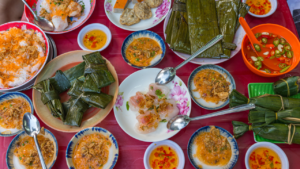
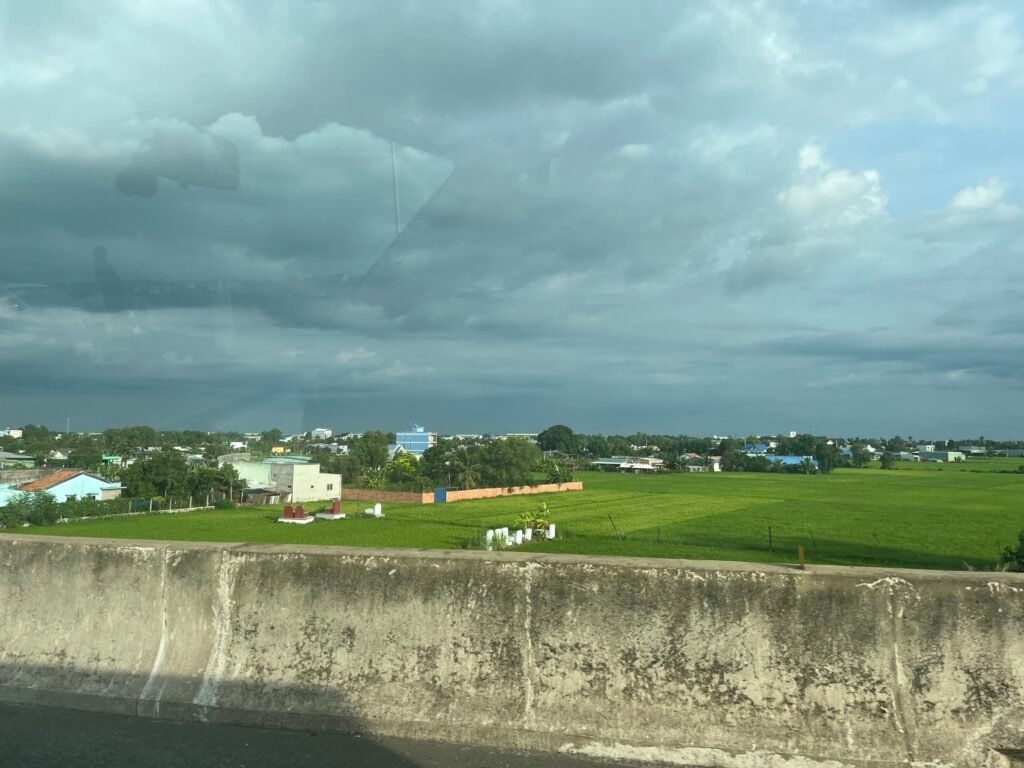
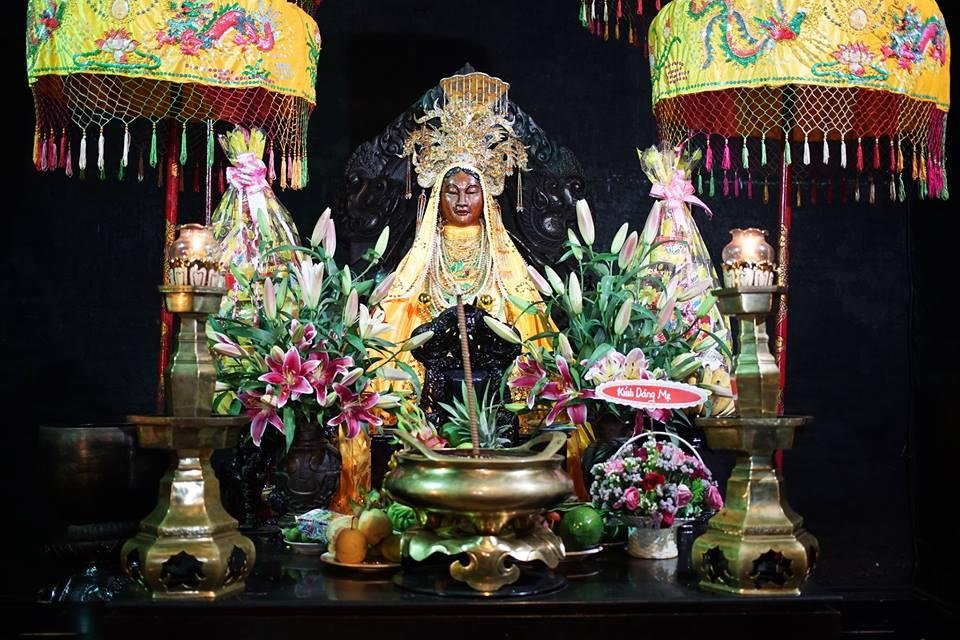
It is typical for family members to get together for meals that honor their culinary heritage during important holidays. Families still prepare altars with offerings on significant occasions to honor their ancestors as part of the widespread practice of ancestor worship. A vibrant cultural landscape is a result of the tropical climate and diverse ethnic communities that characterize southern Vietnam. This region’s customs are greatly influenced by the Mekong Delta, with its complex system of rivers and canals.
Southern Vietnamese festivals frequently honor the region’s agricultural wealth and sense of community. Children especially enjoy the Mid-Autumn Festival, also known as Tet Trung Thu, where they celebrate the harvest season by eating mooncakes & participating in lantern processions. Southern culture places a high value on hospitality. The people are renowned for being hospitable & friendly, frequently inviting visitors into their homes for celebrations or meals. In Southern Vietnam, marriage is traditionally celebrated with vibrant ceremonies that include dance and music.
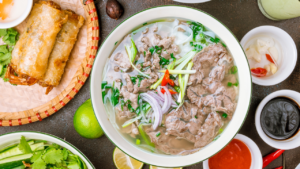
While family members take part in customs that stand for harmony and prosperity, the bride and groom frequently dress colorfully to reflect their cultural background. Northern Vietnamese culinary traditions are characterized by their focus on subtlety & balance. This region’s cuisine is known for its light broths, fresh herbs, and a range of textures that combine to make for a satisfying meal. The most famous Vietnamese dish, pho, came from the North. Rice noodles and beef or chicken broth are combined in this aromatic noodle soup, which is topped with fresh herbs like cilantro & basil.
Pho is prepared with great care; the broth is simmered for hours to bring out the rich flavors of the spices and bones. The use of fermented foods is another characteristic of Northern cooking. For example, mam tom, or fermented shrimp paste, is frequently used to improve the flavors of a variety of foods.
A prime example of the Northern preference for subtle flavors combined with savory dipping sauces is the steamed rice rolls known as banh cuon, which are filled with minced pork & mushrooms. The area’s agricultural heritage is also reflected in its culinary traditions, which emphasize using seasonal ingredients to create dishes that are vibrant and fresh. Central Vietnamese food is known for its complex presentation and strong flavors.
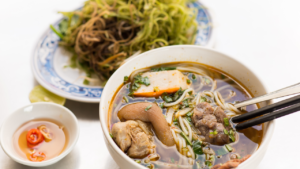
Royal cuisine, which was painstakingly prepared for emperors in the imperial city of Hue, has a significant influence on the culinary customs of this region. Bun bo hue, a fiery beef noodle soup with a complex broth enhanced with chili oil and lemongrass, is one noteworthy dish. The dish is a perfect example of Central’s emphasis on combining flavors in a way that balances freshness and heat.
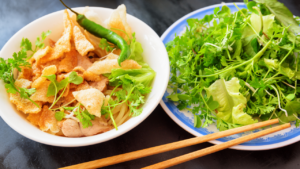
In Central Vietnam, especially in places like Hoi An and Da Nang, street food culture is very popular. The variety of dishes that the vendors serve highlight regional ingredients and cooking methods. Thick rice noodles, pork slices, fresh herbs, and crispy croutons made from local bread are the main ingredients of Cao Lau, a Hoi An-only noodle dish. Water from a particular well in Hoi An is needed to prepare Cao Lau, underscoring the significance of regional ingredients in culinary customs.
Bright flavors & a wide variety of ingredients, influenced by both domestic farming and foreign trade, define Southern Vietnamese cuisine. An abundance of fruits & vegetables, which are essential to everyday meals, are made possible by the warm climate. Hu Tieu, a noodle soup made with a variety of proteins like pork or seafood, is one of the region’s signature dishes.
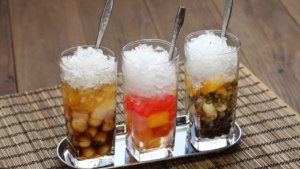
Usually clear but flavorful, the broth is frequently enriched with fresh herbs & lime juice. Southern Vietnam is renowned for its savory cuisine as well as its desserts that feature tropical fruits like durian, coconuts, and mangoes. Made from beans, fruits, and coconut milk, Che is a sweet dessert soup that perfectly captures the region’s love of blending flavors and textures in interesting ways. The Southern love of communal dining experiences is evident in the thriving street food markets, where vendors sell a variety of snacks like banh xeo (Vietnamese pancakes) stuffed with shrimp & bean sprouts.
Vietnam’s rich cultural heritage across its various regions is reflected in its culinary traditions. Each region adds distinctively to the national identity, from the delicate flavors of Northern cuisine to the robust flavors of Central dishes and the colorful offerings from the South. These culinary customs embody stories, traditions, & customs that have been passed down through the generations; they are not just about food.
It becomes clear from tasting Vietnam’s many flavors that the country’s cuisine serves as a unifying factor for its citizens. Connections that go beyond geographical boundaries are cultivated through shared meals during holidays or family get-togethers. By celebrating life itself through the art of cooking and communal eating, Vietnamese cuisine serves as a testament to the people’s inventiveness & tenacity.
If you enjoyed reading about the regional flavors of Vietnamese customs in “From North to South,” you may also be interested in checking out Ha Giang: The Untamed Beauty of Vietnam’s Northern Peaks. For more insightful content on Vietnamese culture and traditions, be sure to visit the Vietsozial blog.