An Overlooked Jewel in Northern Vietnam
Located in the far north of Vietnam, Cao Bằng province remains one of the country’s best-kept secrets. While many tourists head to the bustling streets of Hanoi or the world-famous Ha Long Bay, few make their way to this serene and scenic region. Yet, Cao Bằng offers unspoiled landscapes, vibrant ethnic cultures, and a deep sense of peace that feels worlds away from Vietnam’s popular tourist circuits.
A Landscape of Grandeur
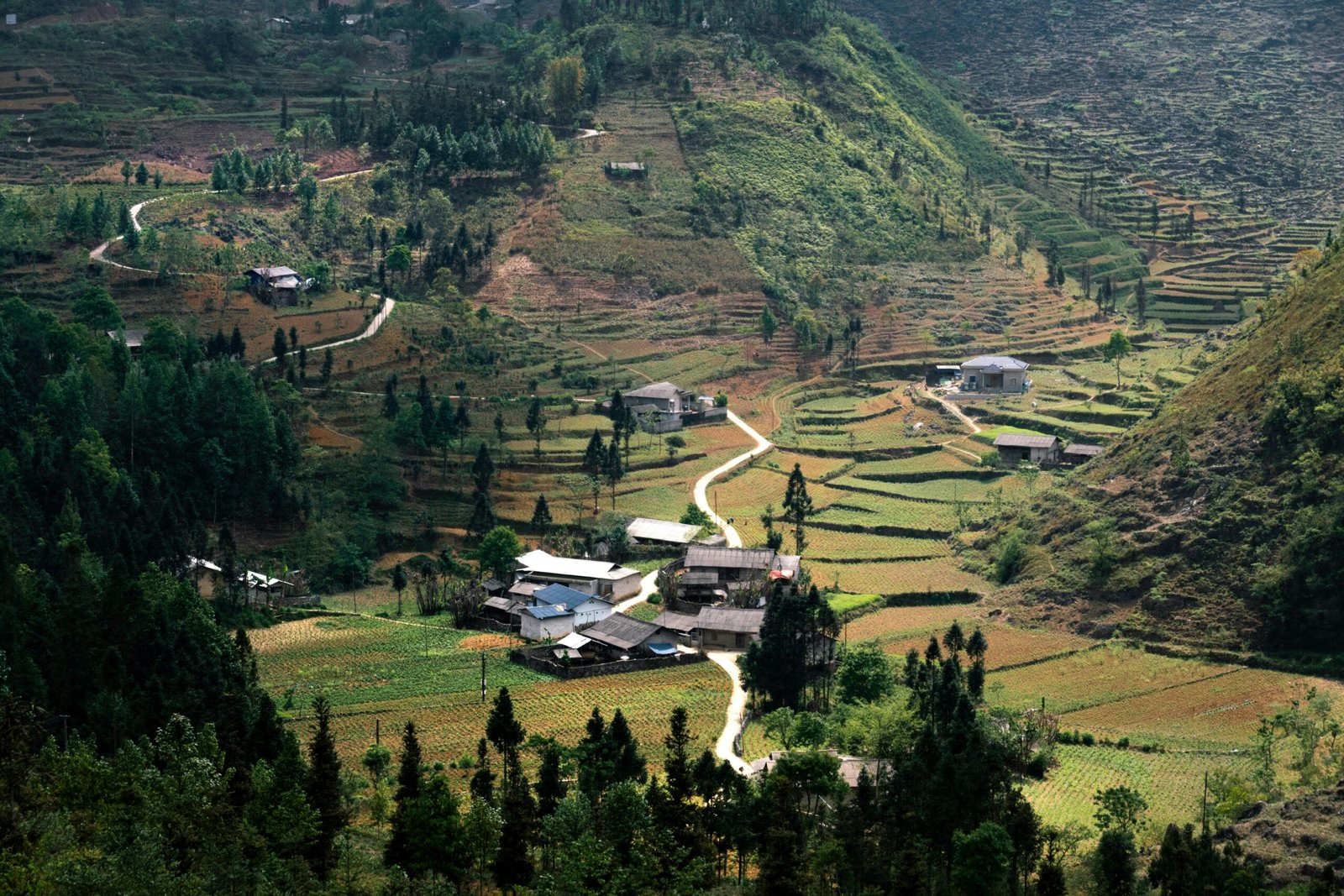
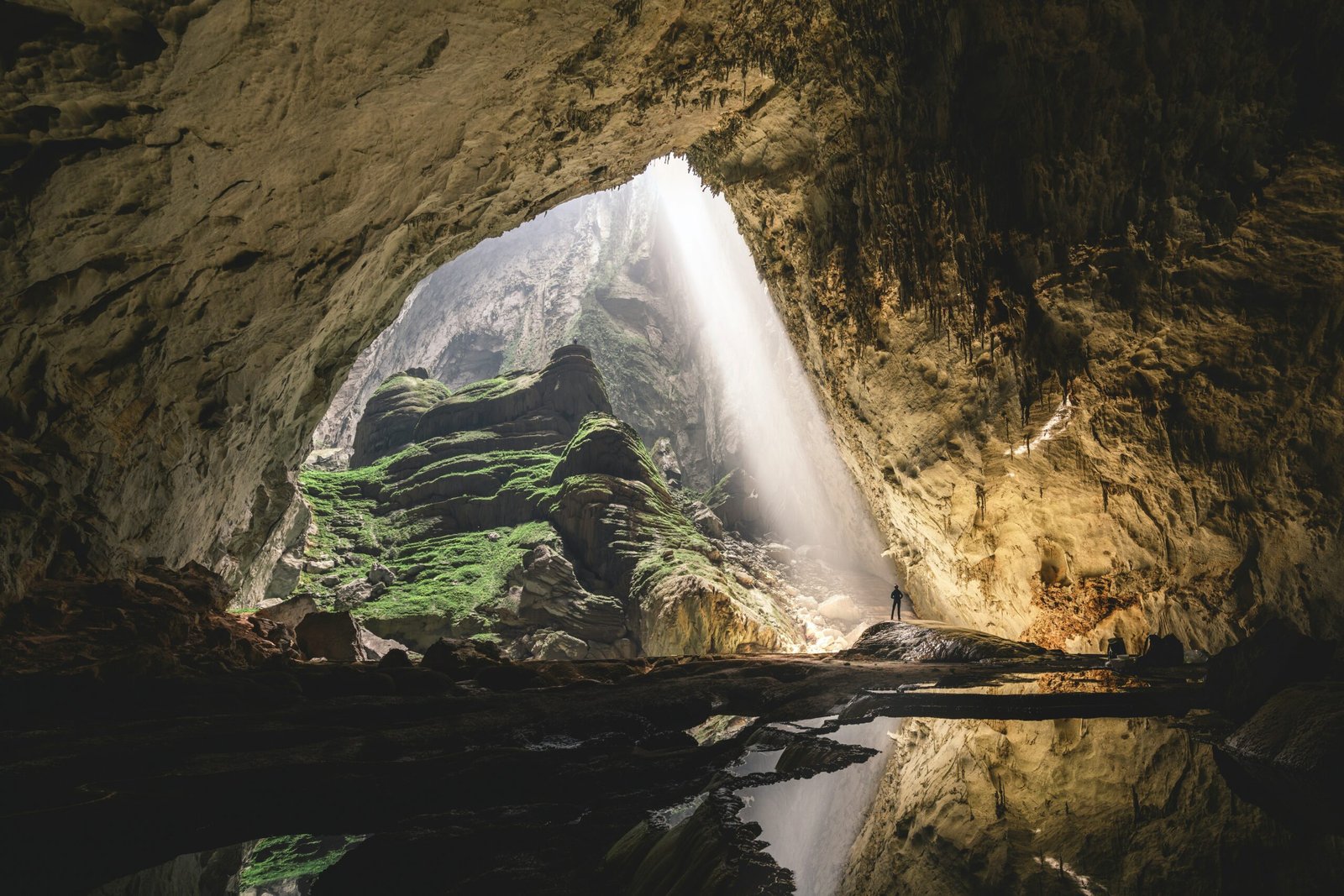
Cao Bằng is home to towering mountains, lush valleys, winding rivers, and dense forests—a paradise for nature lovers. The air is crisp and clean, and the terrain is diverse, making it an ideal place to reconnect with nature. As you journey through this captivating province, you’ll quickly realize that Cao Bằng is more than just a place—it’s an experience.
Ban Giốc Waterfall: A Must-See Wonder
Among Cao Bằng’s many natural attractions, Ban Giốc Waterfall stands out. Straddling the border between Vietnam and China, Ban Giốc is one of the widest waterfalls in Asia. Its dramatic cascades thunder down a multi-tiered cliff, sending up mist and rainbows that captivate all who visit.
Whether viewed from the river or from one of the nearby viewing platforms, Ban Giốc offers a breathtaking display of raw natural power and beauty. It’s an iconic site that alone makes the journey to Cao Bằng worthwhile.

Beyond Ban Giốc: Lakes and Waterfalls to Explore
While Ban Giốc is the headline attraction, Cao Bằng is dotted with other stunning natural features. Just a short distance away is Thang Hen Lake, a tranquil, jade-green body of water nestled among limestone peaks. The lake changes shape and water levels dramatically between seasons, and its surrounding waterfalls and caves provide a peaceful retreat for visitors seeking serenity.
Here, you can take a leisurely stroll, swim in the refreshing waters, or simply enjoy a picnic surrounded by the sounds of nature.
A Tapestry of Ethnic Cultures
Cao Bằng is home to more than nine ethnic groups, including the Tày, Nùng, H’mông, Dao, and Sán Chay. Each group has preserved its own language, traditional dress, customs, and cuisine. As you visit villages and markets, you’ll experience a rich cultural mosaic that reflects generations of heritage and resilience.
The local markets are particularly lively, with handcrafted textiles, fresh mountain herbs, and ethnic street food that reflect both Vietnamese and Chinese influences, a result of the province’s proximity to China.
A Borderland Rich in History
Cao Bằng’s geographical position has made it a significant site in Vietnamese revolutionary history. Most notably, Pac Bó Cave near the Chinese border was where Ho Chi Minh lived and worked after returning to Vietnam in 1941. Today, it’s a revered historical site where visitors can reflect on the early stages of Vietnam’s struggle for independence.
The province also played an important role during the First Indochina War and the Vietnam War, with many locations now marked for historical tourism and education.
Festivals and Local Traditions
Cao Bằng’s festive calendar is alive with traditions passed down through centuries. One of the most important events is Tết (Lunar New Year), celebrated with colorful parades, folk dancing, and traditional games. Many communities also host local festivals tied to agriculture, honoring their ancestors and natural spirits.
Visitors are often welcomed to join in local activities like rice planting, fabric weaving, or bamboo crafting—simple but meaningful ways to understand the community’s values and lifestyle.
Travel Tips for a Smooth Journey
To make the most of your trip to Cao Bằng, consider the following tips:
-
✅ Best Time to Visit: The dry season (October to April) offers the most comfortable weather for trekking and sightseeing.
-
✅ Local Guides: Hiring a local guide will enrich your experience. Guides can help you overcome language barriers and lead you to hidden gems not listed in guidebooks.
-
✅ Packing Tips: Bring clothes suited for warm daytime temperatures and cooler evenings, especially if you plan to stay in the highlands.
-
✅ Food to Try: Don’t miss bánh cuốn (steamed rice rolls), a regional specialty often served with fragrant broth and minced pork. Local markets are also a great place to sample unique dishes and support small vendors.
Conclusion: Discover the Untouched Magic of Cao Bằng
Cao Bằng offers a harmonious blend of natural beauty, ethnic diversity, and historical depth. Whether you’re standing in awe at Ban Giốc Waterfall, sharing stories with a Tày family over tea, or walking the paths once taken by Ho Chi Minh, every moment in Cao Bằng is meaningful.
This hidden gem in northern Vietnam isn’t just a destination—it’s an invitation to slow down, breathe deeply, and connect with the soul of a land rich in spirit and story.
If you’re interested in exploring more of Vietnam’s rich culture and history, you may want to check out the article on the unique tomb architecture of Khai Dinh. This article delves into the fascinating design and history of Khai Dinh’s tomb, offering a glimpse into the country’s royal past. Just like Cao Bang’s waterfalls and borders, Khai Dinh’s tomb is a testament to Vietnam’s diverse and captivating heritage.