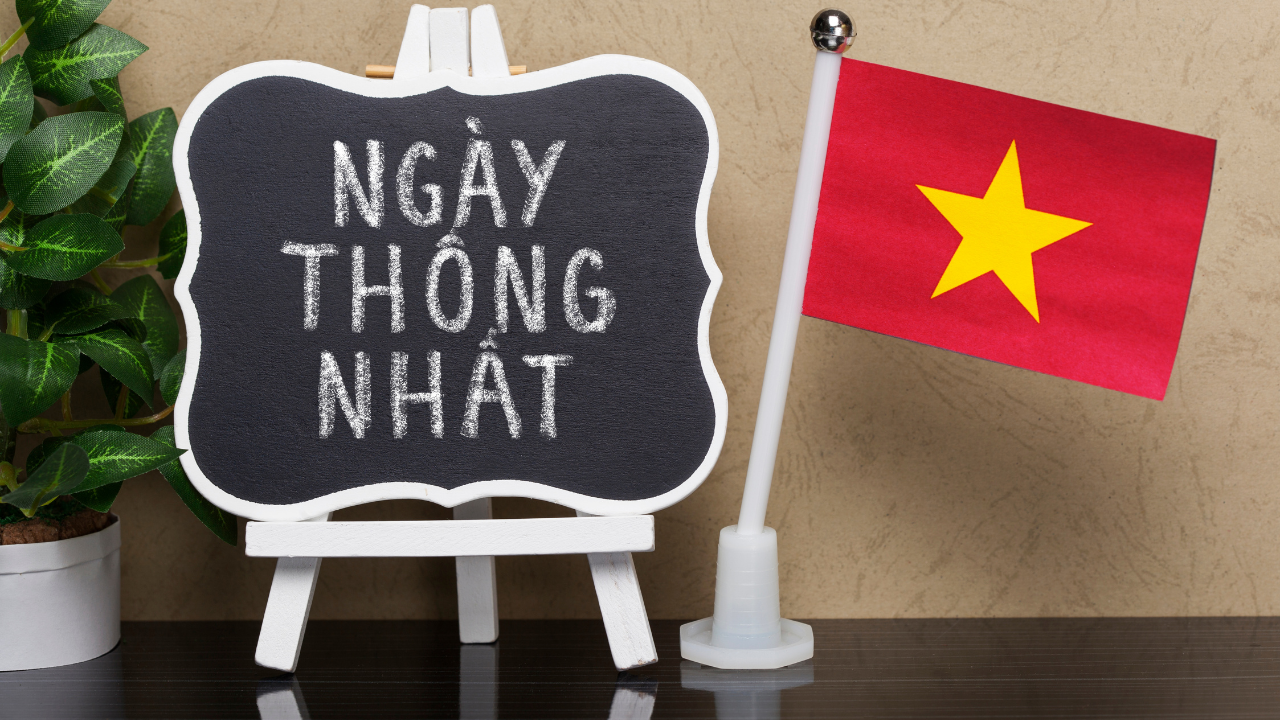
April 30th is one of the most significant dates in Vietnam’s modern history. Officially known as Reunification Day (Ngày Thống Nhất) or Victory Day (Ngày Chiến Thắng), it marks the fall of Saigon in 1975 and the end of the Vietnam War. More than just a military triumph, it symbolizes the reunification of North and South Vietnam and the beginning of a new chapter for the nation.
A Turning Point in History
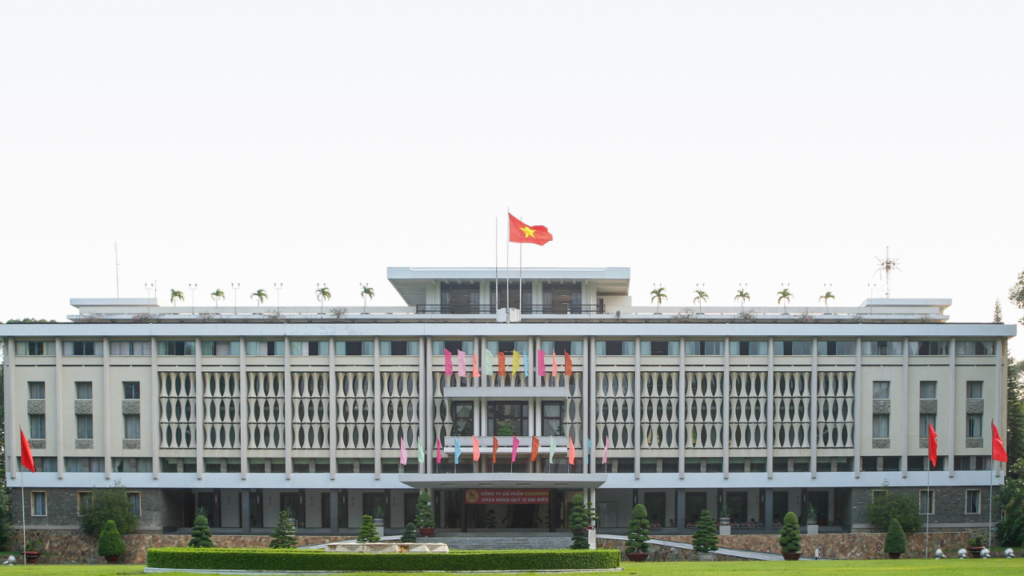
On April 30, 1975, tanks of the North Vietnamese Army rolled through the gates of the Presidential Palace in Saigon (now Ho Chi Minh City). The image of a soldier raising the flag of the National Liberation Front over the palace remains one of the most iconic photographs of the 20th century in Vietnam. It marked the collapse of the Republic of Vietnam and the end of decades of conflict.
The war had left deep scars on the land and people, with millions of lives lost and countless families divided. For many Vietnamese, April 30 was a day of long-awaited peace and national pride. For others, especially those who had fought or supported the South, it was a time of uncertainty, loss, and exile. Thousands fled the country in the years that followed, becoming part of the Vietnamese diaspora around the world.
How Vietnam Commemorates April 30
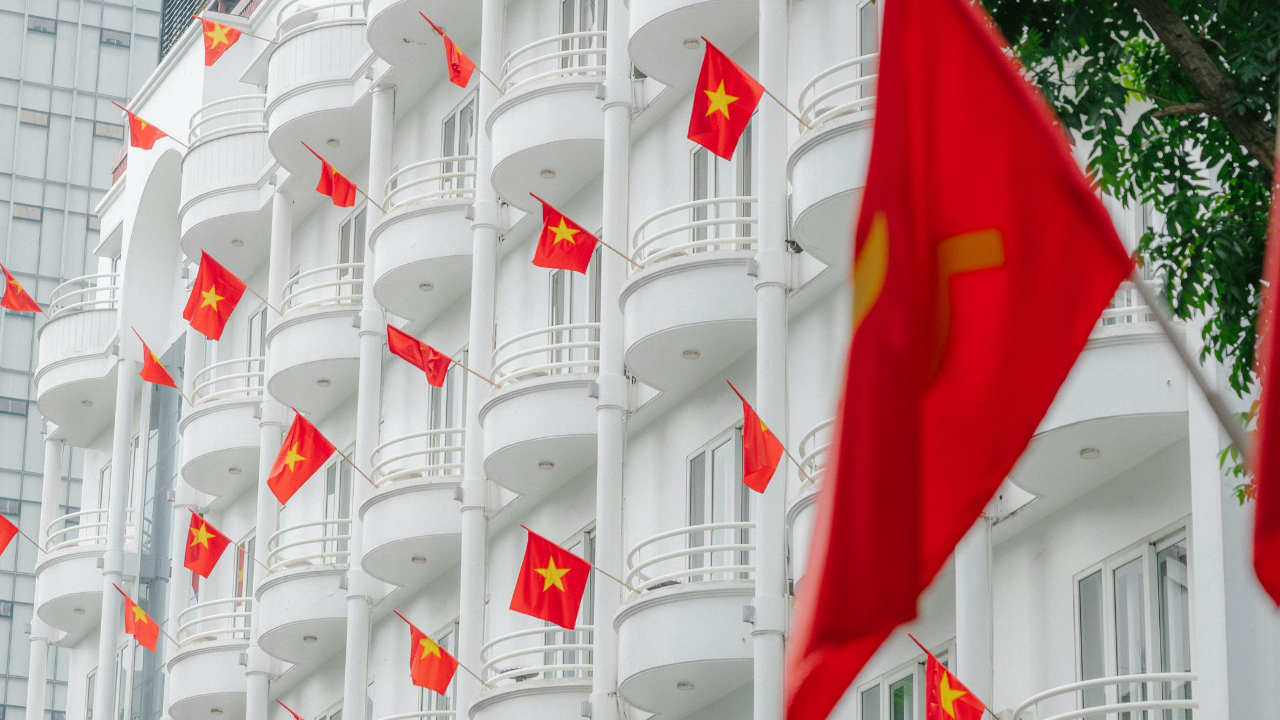
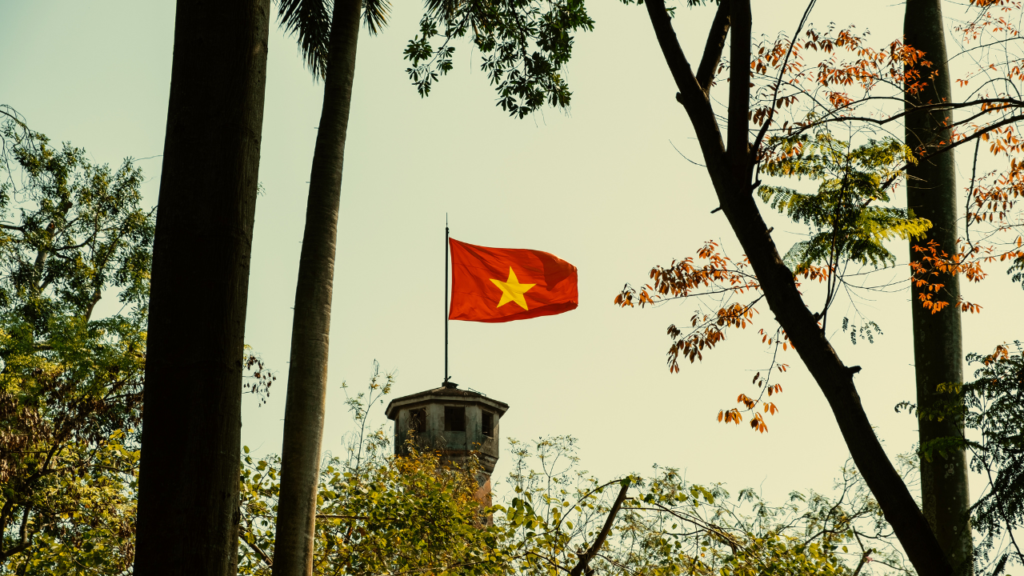
Today, April 30 is a national holiday in Vietnam, often celebrated with fireworks, patriotic music, parades, and remembrance ceremonies. Streets are adorned with red flags, and public spaces often display posters featuring doves, soldiers, and national slogans.
In Ho Chi Minh City, people gather near the Independence Palace and major landmarks to honor veterans and remember those who died in the conflict. Museums and exhibitions open their doors to visitors, offering younger generations a chance to learn about the nation’s turbulent past.
A Day of Mixed Emotions
While the government presents the day as a moment of unity and peace, for many Vietnamese—both at home and abroad—the emotions are complex. It is a day of victory for some, and of sorrow or silence for others. The wounds of war do not heal easily, and the legacy of the past still shapes the way people think about reconciliation, identity, and memory.
In recent years, however, Vietnam has increasingly shifted focus toward peace, reconciliation, and looking forward. April 30 has slowly become not just a day to remember the war, but a time to reflect on the values of independence, resilience, and national healing.
Looking Ahead
Fifty years on, Vietnam has emerged from the shadows of war into an era of economic development, cultural growth, and global engagement. Yet April 30 remains a powerful reminder of how history lives in the present. It teaches each new generation about the cost of freedom, the importance of unity, and the need to listen to all voices, even those that were once silenced.