



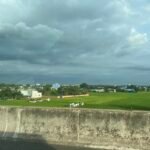



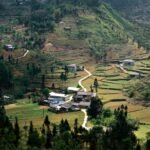

The Mekong Delta, renowned for its lush rural landscapes, is home to a distinctive tradition that reflects the region’s deep-rooted spirituality, practicality, and cultural heritage: the burial of the deceased near the family home or in nearby fields.
Spiritual and Cultural Beliefs
Traditionally, Vietnamese families in the Mekong Delta lived in close-knit communities, where mutual support and protection were central to daily life. Ancestor worship played a vital role, with family altars serving as spiritual anchors in the household. It is widely believed that ancestors continue to watch over and protect the living. By burying loved ones close to home, families preserve a strong spiritual bond, allowing the spirits of the departed to remain near, offer guidance, and safeguard the household.
Practical Considerations
The region’s geography—defined by a vast network of rivers and canals—once made transportation by boat the primary means of travel. This made it difficult to transport the deceased to faraway cemeteries. Furthermore, areas beyond the village were often wild and uninhabited, home to dangerous animals like pythons, snakes, and crocodiles. Burying the dead near the home or in family fields was a practical solution, allowing for easier upkeep of graves and more convenient access for rituals and visits.
Shifting Traditions
As Vietnam modernizes, this tradition has gradually declined. Urbanization, infrastructure development, land use policies, and government regulations favoring centralized cemeteries have all contributed to the shift. In cities, open land is increasingly replaced by buildings, roads, and modern public services. Yet, in some rural parts of the Mekong Delta, the custom endures—offering a glimpse into a way of life shaped by both ancestral reverence and the realities of the land.