





Navigating the High School Experience: A Vietnamese Perspective We are faced with a multitude of expectations and influences as we make our way through the complex terrain of high school life in Vietnam. Social dynamics and academic pressures are two examples of how each influences our path differently. We will examine the many facets of our high school experience in this piece, with particular attention to the pressures to perform well academically, extracurricular activities, family influences, social life, future goals, and the opportunities and challenges we encounter. A constant force that hovers over us during our high school years in Vietnam is academic pressure.
Key Takeaways
- Academic pressure and expectations can lead to stress and anxiety for Vietnamese high school students, impacting their mental health and well-being.
- Engaging in extracurricular activities and hobbies can provide a much-needed break from academic pressure and help students develop new skills and interests.
- Family and cultural influence play a significant role in shaping the values and priorities of Vietnamese high school students, impacting their decision-making and future goals.
- Building a strong social life and friendships can provide support and a sense of belonging for Vietnamese high school students, helping them navigate the challenges of adolescence.
- Balancing future aspirations and career goals with the challenges and opportunities in Vietnam’s rapidly changing economy presents both obstacles and potential for growth for high school students.
Our culture places a strong emphasis on education, and passing tests is frequently seen as a sign of future opportunities. We live in a fiercely competitive world where getting good grades & getting accepted to universities can seem like an impossible task. In addition to being self-imposed, the pressure to perform well is frequently a result of cultural norms and our families’ goals.
We are continually reminded as we traverse this terrain that our academic achievement has a big impact on our future. This pressure is increased by the demanding curriculum and the significance of standardized testing. In order to prepare for tests like the National High School Exam, we devote numerous hours to studying and attending extra classes. The stakes are very high, & the fear of failing can be crippling.
But in the face of this stress, we also gain time management and resilience skills that benefit us long after high school. Even though stress can be intimidating, it also makes us more determined and ambitious, which motivates us to pursue greatness. Even though academic achievement is crucial, we also acknowledge the role that hobbies and extracurricular activities play in forming our identities. We can discover our passions and hone our skills outside of the classroom by participating in clubs, sports, and the arts.
Joining a basketball team, playing in a band, or doing community service are all examples of activities that give our academic lives a much-needed break. Participating in extracurricular activities enhances our high school experience and aids in the development of enduring networks & friendships. These exercises help us develop communication, leadership, and teamwork skills that are useful in both the personal and professional spheres. They also provide a break from the never-ending academic grind, enabling us to fully express our creativity and physicality.

We learn more about ourselves and our true passions as we balance these activities with our studies. Family has a significant influence on how we learn and grow as individuals. Respect for elders and filial piety are highly valued in Vietnamese society. Tension can occasionally arise as we try to fulfill our parents’ high expectations of us while simultaneously pursuing our own goals.
Honoring our families can inspire us to put in more effort in our academic pursuits, but it can also put a great deal of pressure on us. Cultural values also affect our decisions about our educational and professional pathways. Even if our true passions are in other areas, many of us feel pressured to pursue traditionally respected professions like engineering or medicine. As we balance pursuing our goals with upholding our family’s expectations, this cultural expectation may cause internal conflict.However, as we get older, we realize how important it is to be open and honest with our families about our goals in order to create a more encouraging environment for us to pursue our own. Our high school social lives are lively but intricate. The friendships we make during these years frequently turn into some of the most important ones we will ever have.
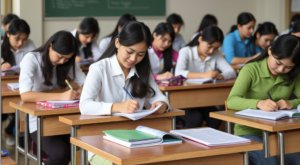
Whether it’s studying through the night for tests or sharing in victories, our common experiences help us connect. As we negotiate the highs and lows of puberty, these relationships offer us emotional support. But social dynamics can also be difficult. Feelings of inadequacy or anxiety can result from the pressure to fit in or follow specific social norms. We might experience conflicts between various groups or battle with problems like exclusion or bullying.
However, we can learn a lot from these experiences about empathy, resiliency, and the value of surrounding oneself with supportive people. In the end, our friendships give us a sense of belonging and aid in the formation of our identities during these early years. We start thinking more and more about the future as our time in high school draws to a close. A lot of us start to think about the career paths we want to take and our goals. The pressure to select a career that suits us can be intimidating; we frequently feel overpowered by the abundance of options at our disposal.
A few of us might have specific objectives in mind, while others might still be considering other options. Diverse career paths outside of traditional fields like engineering or medicine are becoming more and more recognized in Vietnam. More students are starting to show an interest in technology-related fields, creative industries, & entrepreneurship. This change encourages us to pursue what genuinely aligns with our interests & passions, reflecting a larger shift in societal views regarding career choices. We discover how important it is to match our goals with our values and strengths as we look to our family, friends, and mentors for guidance.
The need to achieve. One major obstacle is the tremendous pressure to perform better than our peers; many of us experience this pressure in order to get one of the few available spots at prestigious universities. As we strive for academic excellence, this environment may cause stress and burnout.
Prospects for Development. Nonetheless, these difficulties present chances for improvement. The demanding academic setting develops resilience and critical thinking abilities that help us in our future undertakings. Also, we now have more opportunities to improve our learning outside of the conventional classroom thanks to the growing availability of resources like mentorship programs and online courses. Creating Our Futures.
Through seizing these chances and overcoming obstacles, we can create rewarding futures that showcase our individual abilities and goals. In the end, these encounters influence not only our current selves but also our future selves.
If you want to learn more about Vietnamese culture and history, check out the article The Imperial City of Hue: A Testament to Vietnam’s Last Dynasty. This article explores the rich history and significance of the ancient city of Hue, providing a deeper understanding of Vietnam’s past. It complements the insights gained from Inside the Life of a Vietnamese High School Student by offering a different perspective on the country’s heritage.
FAQs
What is the education system like in Vietnam?
In Vietnam, the education system is divided into five levels: preschool, primary school, secondary school, high school, and higher education.
What is a typical day like for a Vietnamese high school student?
A typical day for a Vietnamese high school student starts early in the morning and includes attending classes, studying, participating in extracurricular activities, and completing homework.
What subjects do Vietnamese high school students study?
Vietnamese high school students study a wide range of subjects including mathematics, literature, history, geography, physics, chemistry, biology, foreign languages, physical education, and more.
What are the major challenges faced by Vietnamese high school students?
Some of the major challenges faced by Vietnamese high school students include academic pressure, competition for higher education, and balancing school work with extracurricular activities and family responsibilities.
What are the aspirations of Vietnamese high school students for the future?
Many Vietnamese high school students aspire to pursue higher education, secure a good job, and contribute to the development of their country. Some also aspire to study abroad and gain international experiences.