







The history of fermentation in Vietnam is a rich tapestry woven through centuries of culinary evolution. As we delve into the past, we discover that fermentation has been an integral part of Vietnamese culture for thousands of years. The practice likely began as a means of preserving food in a tropical climate where spoilage was a constant threat.
Ancient Vietnamese communities, relying on their agricultural bounty, turned to fermentation as a way to extend the shelf life of their harvests. This method not only helped in food preservation but also enhanced flavors, creating a unique culinary identity that has persisted through generations. As we explore further, we find that the influence of neighboring cultures has also played a significant role in shaping Vietnamese fermentation practices.
The Chinese, for instance, introduced various techniques and ingredients that have been adapted and integrated into Vietnamese cuisine. Over time, these influences melded with local traditions, resulting in a diverse array of fermented foods that reflect the country’s agricultural diversity and regional variations. From the bustling markets of Hanoi to the serene rice paddies of the Mekong Delta, the art of fermentation has become a cherished aspect of Vietnamese culinary heritage.
Key Takeaways
- Vietnamese fermentation dates back thousands of years, with techniques passed down through generations.
- Vietnamese cuisine features a wide variety of fermented foods, including fish sauce, soybean paste, and fermented shrimp paste.
- Fermented foods in Vietnamese cuisine offer numerous health benefits, including improved digestion and a boost to the immune system.
- Making traditional Vietnamese fermented foods at home requires patience and attention to detail, but can be a rewarding process.
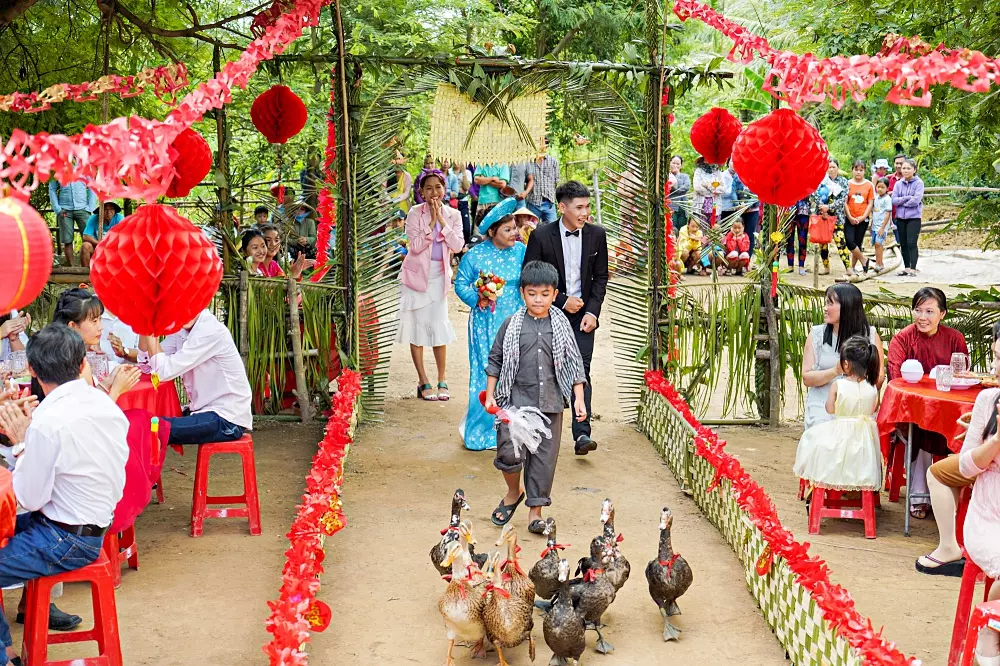
- Fermented foods hold cultural significance in Vietnamese society, often being used in traditional ceremonies and celebrations.
The Different Types of Fermented Foods in Vietnamese Cuisine
Fish Sauce: A Cultural Symbol
One of the most iconic fermented foods in Vietnam is nuoc mam, or fish sauce. This pungent condiment is made by fermenting fish, typically anchovies, with salt. The process can take several months to years, resulting in a complex flavor profile that enhances countless dishes. Nuoc mam is not just a seasoning; it is a cultural symbol that embodies the essence of Vietnamese cooking.
Pickled Vegetables: A Tangy Delight
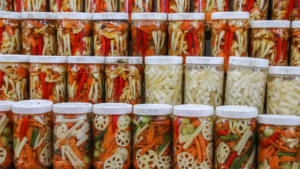
In addition to fish sauce, we also encounter a variety of pickled vegetables that play a crucial role in Vietnamese meals. These pickles, known as dưa, are often made from carrots, daikon radish, and other seasonal vegetables. The fermentation process not only preserves these ingredients but also imparts a delightful tanginess that complements the freshness of many dishes.
Fermented Shrimp Paste: Adding Depth and Umami
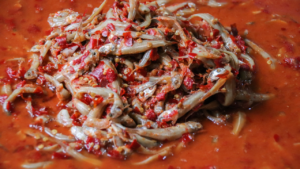
Another notable fermented food is mắm tôm, or fermented shrimp paste, which adds depth and umami to soups and dipping sauces. Each type of fermented food tells a story of regional ingredients and traditional methods, showcasing the creativity and resourcefulness of Vietnamese cooks.
The Health Benefits of Fermented Foods
As we continue our exploration of fermented foods, we cannot overlook the numerous health benefits they offer. Fermented foods are often hailed for their probiotic content, which can promote gut health and improve digestion. The fermentation process encourages the growth of beneficial bacteria that can help balance our microbiome.
By incorporating these foods into our diet, we may experience improved digestion, enhanced nutrient absorption, and even a boost to our immune system. Moreover, fermented foods are typically rich in vitamins and minerals. For instance, the fermentation process can increase the bioavailability of certain nutrients, making them easier for our bodies to absorb.
Additionally, many fermented foods are lower in sugar and calories compared to their non-fermented counterparts, making them a healthier choice for those looking to maintain a balanced diet. As we embrace these traditional foods, we not only honor our culinary heritage but also invest in our well-being.
How to Make Traditional Vietnamese Fermented Foods at Home
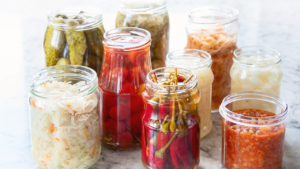
For those of us eager to bring the flavors of Vietnam into our own kitchens, making traditional fermented foods at home can be an exciting adventure. One popular recipe is for pickled vegetables, or dưa. To create this delightful accompaniment, we start by selecting fresh vegetables such as carrots and daikon radish.
After slicing them into thin strips, we prepare a brine using water, vinegar, sugar, and salt. Once the brine is ready, we immerse the vegetables in it and allow them to ferment for several days at room temperature before transferring them to the refrigerator for longer storage. Another beloved fermented food we can try making is nuoc mam.
While crafting fish sauce at home can be more complex due to the lengthy fermentation process required, we can create a simplified version by combining fish paste with salt and allowing it to sit for several weeks. This method may not yield the same depth of flavor as commercially produced fish sauce but will still provide us with a taste of traditional Vietnamese cuisine. By experimenting with these recipes, we not only connect with our culinary roots but also gain a deeper appreciation for the art of fermentation.
The Cultural Significance of Fermented Foods in Vietnamese Society
In Vietnam, fermented foods are more than just culinary staples; they hold profound cultural significance. They are often associated with family traditions and communal gatherings, serving as a bridge between generations. For many families, recipes for pickled vegetables or fish sauce are passed down through the years, each batch infused with memories and stories that connect us to our ancestors.
These foods are often present at celebrations and festivals, symbolizing abundance and prosperity. Furthermore, fermented foods play a vital role in daily life and social interactions. In Vietnamese culture, sharing meals is an essential aspect of building relationships and fostering community bonds.
The presence of fermented dishes on the dining table signifies hospitality and generosity. Whether it’s offering a bowl of pickled vegetables to guests or sharing homemade fish sauce with neighbors, these acts reflect our values of connection and togetherness.
Exploring the Diversity of Vietnamese Pickled Vegetables
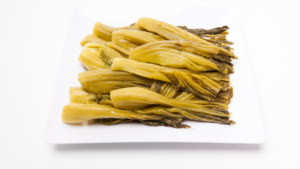
As we delve deeper into the world of Vietnamese pickled vegetables, we uncover an astonishing variety that reflects the country’s regional diversity and agricultural bounty. Each region boasts its own unique pickling techniques and flavor profiles. For instance, in the northern regions, we might encounter dưa hành—pickled scallions that add a sharp bite to meals—while in the south, dưa giá—pickled bean sprouts—are popular for their crunchy texture and refreshing taste.
The versatility of pickled vegetables allows us to experiment with different ingredients and flavors. We can create sweet and sour combinations by adjusting the sugar and vinegar ratios or infuse spices like chili or garlic for an extra kick. As we explore these diverse pickled creations, we not only celebrate the culinary richness of Vietnam but also embrace the creativity that comes from using seasonal produce and local flavors.
In conclusion, our journey through the world of Vietnamese fermentation reveals a vibrant culinary tradition steeped in history and cultural significance. From iconic fish sauce to an array of pickled vegetables, these fermented foods not only enhance our meals but also nourish our bodies and souls. As we continue to explore and share these traditions, we honor the past while embracing the future of Vietnamese cuisine.
If you enjoyed reading about The Art of Vietnamese Fermentation: From Mắm to Pickled Vegetables, you may also be interested in exploring the spiritual essence of Thien Mu Pagoda in Hue City. This article delves into the rich history and cultural significance of this iconic pagoda, offering readers a deeper understanding of its spiritual importance. To read more about this fascinating topic, check out Discovering the Spiritual Essence of Thien Mu Pagoda in Hue City.